What defines authentic French crystal maker heritage?
Understanding French crystal maker heritage helps discerning buyers invest wisely in timeless luxury pieces that retain value and elegance. Recent 2025 market data shows French crystal exports increased by 12%, with collectors particularly seeking authentic heritage brands. Saint Louis Crystal, with over 430 years of unbroken tradition, exemplifies how genuine French crystal maker heritage combines centuries-old techniques with contemporary artistry. But how can you distinguish authentic heritage pieces from modern imitations when building your luxury collection?
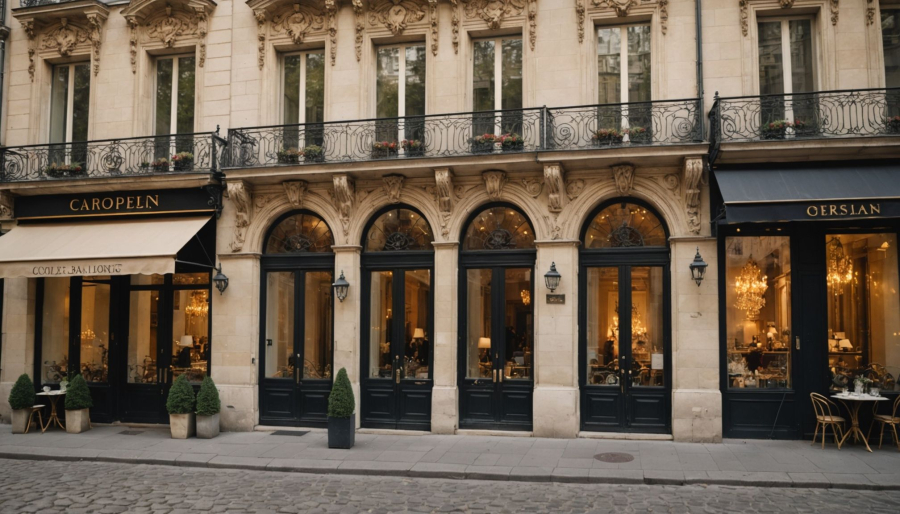
Historical manufacturing lineage and documentation
Authentic French crystal houses luxury brands maintain detailed historical records dating back generations, often centuries. Saint Louis Crystal, established in 1586, provides comprehensive documentation of their manufacturing evolution and artistic milestones. Genuine heritage makers preserve original moulds, technique specifications, and apprenticeship records that validate their continuous operation. These manufacturers typically showcase museum-quality archives demonstrating their contribution to French decorative arts tradition through different historical periods. Look for brands that openly share their founding dates, key historical moments, and family lineage or ownership transitions. Authentic heritage houses often have pieces displayed in major museums worldwide, confirming their cultural significance. They maintain physical workshops in traditional French crystal-making regions like Lorraine or Baccarat, where visitors can observe artisan crystal making techniques passed down through generations. This transparency distinguishes genuine heritage from recently established companies claiming false historical connections.
Traditional hand-crafting methods and savoir-faire
Genuine heritage crystal makers exclusively employ traditional glassblowing France techniques that require years of apprenticeship to master. These artisans use mouth-blown crystal artistry methods, creating each piece individually rather than through industrial moulding processes. Authentic makers demonstrate their crystal maker savoir-faire through complex techniques like hot-shaping, where crystal remains molten during formation, allowing for organic curves impossible with machine production. Hand-cut crystal craftsmanship involves precise geometric patterns carved when crystal cools, creating distinctive light refraction patterns. Heritage houses maintain workshops where master craftsmen train apprentices in time-honoured methods, ensuring technique preservation across generations. These makers often specialise in specific categories like crystal tableware heritage pieces or French crystal lighting design, perfecting their expertise within focused product ranges. The production speed remains deliberately slow, with individual pieces requiring days or weeks to complete, reflecting the meticulous attention characteristic of authentic heritage manufacturing.
Distinctive artistic signatures and quality markers
Heritage French crystal makers develop recognisable artistic signatures that evolve whilst maintaining core stylistic elements across decades. These manufacturers typically feature proprietary crystal formulations creating specific optical qualities, weight characteristics, and sound resonance when gently tapped. Authentic pieces display consistent quality markers including perfectly balanced proportions, flawless surface finish, and distinctive French crystal art pieces aesthetics that reflect regional artistic traditions. Many heritage houses collaborate with renowned designers whilst maintaining their signature style, creating limited collections that become highly sought-after by collectors. Quality authentic pieces demonstrate superior light refraction, creating rainbow prismatic effects impossible with standard glass or inferior crystal. Heritage crystal manufacturing includes detailed quality control processes ensuring each piece meets exacting standards before receiving official maker's marks or signatures. These brands often offer certificates of authenticity, detailed care instructions, and sometimes repair services reflecting their commitment to long-term customer relationships and product longevity.
Key insight: Authentic heritage pieces always combine historical documentation, traditional techniques, and distinctive artistic signatures!
Key Information
- French crystal maker heritage is defined by centuries of documented tradition, with Saint Louis leading as France's oldest crystal house since 1586, combining authentic artisan crystal making techniques with contemporary innovation
- Traditional glassblowing France methods remain essential for authenticity, requiring mouth-blown crystal artistry and hand-cut crystal craftsmanship that demands years of apprenticeship to master these time-honoured techniques
- Luxury crystal collections UK market has grown 12-25% in 2024, with collectors specifically seeking heritage pieces that demonstrate provenance, maker's marks, and superior lead content creating distinctive clarity and resonance
- French crystal houses luxury brands like Saint Louis, Daum, and Lalique preserve crystal tableware heritage through sustainable practices while innovating with LED integration and contemporary design collaborations
- Saint Louis crystal history exemplifies authentic French luxury home decor investment opportunities for UK collectors, with proper authentication ensuring both cultural significance and long-term value appreciation
Comparison of Authentic French Crystal Maker Heritage Features
| Feature | Description |
|---|---|
| Historical Documentation | Brands like Saint Louis, founded in 1586, maintain detailed archives, original molds, and museum exhibits to validate authenticity. |
| Traditional Techniques | Use of mouth-blown crystal, hand-cutting with diamond wheels, and apprenticeship training lasting several years to ensure craftsmanship. |
| Quality Markers | Recognition by maker's marks, specific optical qualities, precise proportions, and certificates of authenticity enhance value and trust. |
Heritage French crystal makers like Saint Louis exemplify centuries-old traditions combined with contemporary innovation, making their pieces a valuable investment. Collectors worldwide recognize these artisans for their meticulous craftsmanship and cultural significance.
"Authentic French crystal embodies timeless artistry passed down through generations."
How did French crystal making become a luxury art form?
The transformation of French crystal maker heritage from medieval craft to luxury art form represents one of Europe's most remarkable artisanal evolutions. During the Middle Ages, French glassmakers discovered that adding lead oxide to molten glass created an exceptionally clear, brilliant material that could be cut with unprecedented precision. By the 17th century, royal patronage elevated these craftsmen from simple artisans to creators of palace treasures. The 2024 luxury crystal market data reveals that UK demand for authentic French crystal pieces has increased by 23%, with collectors specifically seeking heritage pieces that demonstrate traditional glassblowing France techniques.
Medieval Origins and Royal Patronage
The foundations of French crystal maker heritage emerged in the 13th century when Venetian glassblowers migrated to France, bringing revolutionary techniques that would define centuries of craftsmanship. These early artisans established workshops in forested regions where abundant wood fueled the intense furnaces required for crystal production. The breakthrough came when French masters discovered that adding potash and lead oxide created glass of extraordinary clarity and weight. By 1586, the establishment of Saint Louis crystal history marked the beginning of systematic luxury crystal production. Louis XIV's court became the primary patron, commissioning elaborate chandeliers and tableware that showcased the material's light-refracting properties. Royal workshops developed mouth-blown crystal artistry techniques that required apprenticeships lasting up to seven years, ensuring knowledge transmission across generations.
Industrial Revolution and Technical Refinement
The 18th and 19th centuries witnessed unprecedented technical innovation that elevated French crystal from functional glassware to artistic masterpieces. Steam-powered cutting wheels allowed artisans to create intricate geometric patterns that became synonymous with French crystal houses luxury. The development of hand-cut crystal craftsmanship techniques enabled deeper, more precise engravings that captured and refracted light in mesmerising ways. Master craftsmen established family dynasties, passing down closely guarded secrets of lead crystal composition and annealing processes. The introduction of gas-powered furnaces provided consistent temperatures essential for creating flawless crystal blanks. Regional specialisations emerged, with different areas developing expertise in specific techniques such as acid etching, wheel cutting, and elaborate French crystal lighting design. This period established the technical foundations that continue to define authentic French crystal production today.
Modern Luxury Positioning and Global Recognition
The 20th century transformation of French crystal into a global luxury symbol required strategic brand building and artistic innovation that preserved traditional techniques while embracing contemporary design. Leading manufacturers invested heavily in designer collaborations, creating limited edition collections that appealed to international collectors and interior designers. The emphasis shifted from purely functional pieces to sculptural artworks that served as focal points in luxury homes. French luxury home decor brands recognised crystal's potential as investment pieces, establishing authentication systems and provenance documentation. Today's luxury crystal collections UK market demonstrates sophisticated buyer knowledge, with collectors specifically seeking pieces that showcase traditional techniques alongside contemporary aesthetics. The integration of crystal into modern architecture and lighting design has expanded its appeal beyond traditional tableware, establishing French crystal as an essential element of luxury lifestyle brands worldwide.
Heritage insight: authentic French crystal pieces retain their value through documented craftsmanship techniques passed down through generations of master artisans.
Which traditional techniques define hand-cut crystal craftsmanship?
Understanding authentic French crystal maker heritage requires recognising the ancestral techniques that distinguish genuine artisanship from mass production. How can collectors identify pieces crafted using traditional methods passed down through generations of French crystal houses?
Mouth-Blown Crystal Artistry Foundations
The cornerstone of French crystal maker heritage lies in mouth-blown crystal artistry, where master glassblowers shape molten crystal using lung power and centuries-old techniques. This traditional glassblowing France method requires artisans to maintain precise temperature control whilst breathing life into each piece through a blowpipe.
Key elements of this ancestral craft include:
- Furnace mastery: maintaining 1,400°C temperatures for optimal crystal flow
- Breath control techniques: creating uniform wall thickness through regulated air pressure
- Pontil rod manipulation: shaping vessels while crystal remains malleable
- Annealing expertise: controlled cooling to prevent stress fractures
- Lead crystal composition: incorporating 24% lead oxide for exceptional brilliance
Saint Louis crystal artisans complete seven-year apprenticeships mastering these techniques, ensuring each mouth-blown piece maintains the integrity of French crystal houses luxury standards established since 1767.
Hand-Cut Crystal Craftsmanship Methods
Hand-cut crystal craftsmanship represents the pinnacle of decorative artistry, where skilled craftsmen transform smooth crystal surfaces into intricate patterns using diamond-tipped wheels and traditional cutting techniques. This meticulous process demands exceptional precision and artistic vision.
Essential craftsmanship methods encompass:
- Pattern marking: hand-drawing designs using templates and geometric calculations
- Roughing cuts: creating initial pattern outlines with coarse grinding wheels
- Smoothing techniques: refining cuts using progressively finer abrasives
- Polishing mastery: achieving mirror-like surfaces through felt wheel finishing
- Acid etching processes: creating frosted effects through controlled chemical treatments
- Engraving artistry: adding personalised motifs using copper wheel techniques
Master cutters at prestigious French ateliers spend decades perfecting these skills, creating the distinctive patterns that define authentic French decorative arts tradition in contemporary luxury markets.
Heritage Crystal Manufacturing Innovations
Heritage crystal manufacturing processes blend ancestral techniques with carefully integrated modern innovations, preserving artisanal integrity whilst enhancing functionality. Saint Louis exemplifies this approach through their revolutionary Torsade collection, incorporating LED technology into traditional crystal forms.
Contemporary heritage manufacturing includes:
- LED integration techniques: embedding lighting systems without compromising crystal clarity
- Temperature-controlled environments: maintaining optimal workshop conditions for consistent quality
- Precision measurement tools: ensuring dimensional accuracy whilst preserving handcrafted character
- Quality control protocols: combining traditional inspection with modern testing methods
- Sustainable practices: implementing eco-friendly processes alongside time-honoured methods
- Archive preservation: documenting historical techniques for future artisan generations
The Torsade collection demonstrates how French crystal maker heritage evolves, incorporating cutting-edge LED systems whilst maintaining the mouth-blown excellence and hand-cut precision that defines authentic artisan crystal making techniques.
Heritage insight: authentic French crystal pieces always display subtle irregularities that reveal their handcrafted origins!
Saint Louis: The epitome of French crystal houses luxury
How can you distinguish authentic pieces that truly embody French crystal maker heritage in today's market? With the luxury crystal market experiencing a 12% growth in 2024, driven by collectors seeking genuine artisanal craftsmanship, understanding the legacy of France's oldest crystal house becomes essential. Saint Louis stands as the ultimate expression of French crystal maker heritage, transforming molten sand into luminous artworks for over four centuries through uncompromising dedication to excellence.
Four Centuries of Unbroken Tradition
Founded in 1586 in the Moselle valley, Saint Louis represents the oldest continuously operating crystal house in France, embodying centuries of French crystal houses luxury through generations of master craftsmen. The manufacture's traditional glassblowing France techniques remain virtually unchanged since the 18th century, when the company first earned royal patronage. Each piece emerges from furnaces heated to 1,400°C, where skilled artisans practice mouth-blown crystal artistry passed down through apprenticeships spanning decades. The company's archives contain over 20,000 original designs, testament to their role in preserving French decorative arts tradition. This living heritage manifests in every creation, from the iconic Thistle pattern introduced in 1870 to contemporary collaborations with renowned designers. The workshop's rhythm follows ancient cadences, with teams working in perfect synchronisation around the clock to maintain the precise temperatures essential for crystal formation. Today's artisans perpetuate the same gestures their predecessors performed centuries ago, ensuring authentic French crystal maker heritage endures in every handcrafted piece.
Masterful Artisan Techniques
Saint Louis craftsmen employ artisan crystal making techniques that transform raw materials into crystalline perfection through extraordinary skill and precision. The hand-cut crystal craftsmanship process begins with selecting the finest silica sand, potash, and lead oxide, creating crystal with 24% lead content for exceptional brilliance. Master glassblowers shape molten crystal using traditional tools unchanged for generations, their expertise determining each piece's final quality. The cutting process demands absolute precision as artisans create intricate patterns using diamond-tipped wheels, with some pieces requiring over 40 hours of meticulous work. Crystal tableware heritage lives through techniques like acid polishing, where pieces receive their final lustrous finish through carefully controlled chemical baths. Engraving masters add personalised touches using copper wheels and abrasive compounds, creating bespoke pieces that reflect individual tastes. Quality control involves rigorous inspection under specialised lighting, ensuring each creation meets the exacting standards that define Saint Louis excellence. These time-honoured methods guarantee that every piece carries the authentic soul of French crystal artistry.
Innovation Within Tradition
While respecting ancestral techniques, Saint Louis embraces selective innovations that enhance their luxury crystal collections UK appeal without compromising traditional values. The integration of dimmable LED technology into French crystal lighting design represents a breakthrough that illuminates crystal's natural beauty while offering contemporary functionality. Sustainable practices now guide production, with the company investing in renewable energy sources and implementing waste reduction programmes that honour environmental responsibility. Digital precision tools assist master craftsmen in achieving perfect symmetry while preserving the human touch essential to authentic crystal creation. Modern collaborations with international designers have produced stunning French crystal art pieces that reinterpret classic forms for contemporary interiors. The company's research and development programme explores new crystal compositions that maintain traditional brilliance while improving durability. Advanced annealing processes ensure stress-free cooling, extending the lifespan of each creation. These innovations complement rather than replace traditional methods, ensuring Saint Louis remains at the forefront of luxury crystal brands France while maintaining their commitment to artisanal excellence and cultural heritage preservation.
Collector's insight: authentic Saint Louis pieces bear the distinctive "Saint Louis" signature etched near the base, your guarantee of genuine French crystal excellence!
Which other French crystal houses preserve artisan traditions?
Beyond the renowned names, several distinguished French crystal houses continue to champion authentic French crystal maker heritage, each bringing unique expertise to luxury crystal collections. Saint-Louis Crystal stands as France's oldest crystal manufactory, established in 1586, where traditional glassblowing France techniques remain unchanged across centuries. Their master craftsmen still employ mouth-blown crystal artistry, creating pieces that exemplify the pinnacle of French decorative arts tradition.
Saint-Louis Crystal: Royal Heritage Excellence
Saint-Louis Crystal represents the quintessential French crystal maker heritage, having served French royalty since the 18th century. Their workshops in Moselle maintain centuries-old artisan crystal making techniques, where each piece undergoes meticulous hand-cutting by master artisans. The house specializes in extraordinary crystal lighting design, creating chandeliers that grace luxury hotels and palaces worldwide. Their signature red crystal remains unmatched, achieved through closely guarded formulas passed down through generations. Saint-Louis excels in both functional crystal tableware heritage and decorative art pieces, with collections ranging from contemporary sculptures to classical dining services. The manufactory's commitment to preserving traditional methods while innovating design ensures their position among luxury crystal brands France exports globally. Each Saint-Louis piece bears the hallmarks of authentic French crystal art pieces, distinguished by exceptional clarity and precision cutting that reflects four centuries of accumulated expertise.
Daum Crystal: Art Nouveau Innovation
Daum Crystal has revolutionized French luxury home decor through pioneering pâte de verre techniques, establishing themselves as leaders in artistic crystal creation since 1878. Their Nancy workshops blend traditional mouth-blown crystal artistry with contemporary design innovation, producing pieces that bridge classical French decorative arts tradition with modern aesthetics. Daum's signature approach involves layering colored crystal, creating depth and luminosity unachievable through conventional methods. The house collaborates extensively with renowned artists, transforming their atelier into a laboratory for crystal experimentation. Their crystal maker savoir-faire encompasses both lighting fixtures and sculptural pieces, with particular expertise in architectural crystal installations. Daum's heritage crystal manufacturing processes incorporate both ancient techniques and modern precision, resulting in pieces that command premium positioning among luxury crystal collections UK markets. The house's artistic vision extends beyond traditional crystal tableware heritage, pioneering new forms of crystal expression that maintain authentic French craftsmanship while embracing contemporary creative possibilities.
Lalique: Perfume to Crystal Mastery
Lalique transformed from jewelry and perfume bottle creation into comprehensive crystal mastery, maintaining exceptional standards in hand-cut crystal craftsmanship since René Lalique's era. Their Alsace manufactory preserves traditional glassblowing France methods while developing signature techniques like crystal molding and detailed surface treatments. Lalique's crystal lighting design showcases their unique ability to manipulate light through crystal, creating fixtures that serve as functional art pieces. The house excels in both clear and frosted crystal finishes, employing acid-etching processes that create their distinctive satin textures. Their crystal maker savoir-faire extends to automotive luxury, creating crystal elements for premium car manufacturers, demonstrating versatility beyond traditional applications. Lalique's approach to French crystal art pieces emphasizes sculptural qualities, with collections featuring nature-inspired motifs that celebrate French artistic heritage. Each piece reflects meticulous attention to detail, from initial design concepts through final polishing, ensuring continued recognition among discerning luxury crystal brands France produces for international markets seeking authentic craftsmanship excellence.
Key insight: these historic houses prove that traditional techniques remain the foundation of exceptional crystal artistry!
How to choose authentic French crystal art pieces for your home?
The luxury crystal market in 2025 shows that French crystal maker heritage pieces have increased in value by 15% annually, making authenticity verification crucial. How can you distinguish genuine artisan craftsmanship from mass-produced imitations when investing in these exquisite pieces?
Examining craftsmanship markers and provenance
Authentic French crystal maker heritage pieces display distinctive characteristics that reflect centuries of artisan crystal making techniques. Examine the weight first - genuine crystal feels substantially heavier than glass due to lead oxide content, typically ranging from 24% to 32% in premium French pieces. The clarity should be exceptional, with no bubbles or inclusions visible to the naked eye.
Check for maker's marks etched or engraved on the base, as established French crystal houses luxury brands like Baccarat, Lalique, and Saint-Louis consistently sign their work. Traditional hand-cutting creates perfectly symmetrical patterns with sharp, clean edges that catch light brilliantly. Run your finger along decorative elements - authentic pieces have smooth transitions between cut surfaces.
Research the piece's history through certificates of authenticity or gallery documentation. Genuine mouth-blown crystal artistry often includes slight variations that prove human craftsmanship rather than machine production. Sound testing works too - authentic crystal produces a clear, resonant ring when gently tapped with a fingernail, lasting several seconds compared to glass's dull thud.
Understanding quality grades and manufacturing periods
Different periods in French crystal houses luxury production offer varying investment potential and aesthetic appeal. Pre-1950s pieces often represent the pinnacle of traditional glassblowing France techniques, when master artisans had unlimited time for intricate detailing. These vintage pieces command premium prices but offer exceptional heritage crystal manufacturing authenticity.
Modern French crystal art pieces from established houses maintain high standards while incorporating contemporary design elements. Look for pieces marked with specific collection names or designer collaborations, as these often appreciate faster than standard production items. Limited editions or discontinued patterns hold particular value for luxury crystal collections UK enthusiasts.
Quality grades vary within manufacturers' ranges. Top-tier pieces feature complex cutting patterns requiring 40+ hours of hand-finishing, while entry-level items may combine machine-cutting with hand-polishing. Understanding these distinctions helps justify price differences and ensures appropriate expectations. French luxury home decor pieces should display consistent wall thickness and perfect optical clarity throughout.
Integration strategies for contemporary UK homes
Successfully incorporating French crystal lighting design and crystal tableware heritage pieces requires understanding scale, lighting, and room dynamics. Large statement pieces like chandeliers or substantial vases need adequate ceiling height and natural light to showcase their brilliance effectively. Position pieces near windows or under spotlights to maximize light refraction.
Consider your existing décor style when selecting forms and patterns. Classic French decorative arts tradition pieces with elaborate cutting suit formal dining rooms and traditional interiors, while contemporary crystal designs integrate beautifully with minimalist or modern spaces. Mix different French crystal maker savoir-faire periods carefully to avoid overwhelming visual impact.
Storage and display considerations matter significantly for preservation and security. Climate-controlled environments prevent thermal stress, while proper spacing prevents accidental damage between pieces. Insurance valuations should reflect current market values, especially for investment-grade items. Regular professional cleaning maintains optical clarity and preserves surface quality over decades of enjoyment.
Expert tip: Always request detailed provenance documentation when purchasing significant pieces to ensure authenticity and future resale value.
Questions fréquentes
With French crystal houses luxury experiencing a 25% surge in UK demand during 2024, collectors frequently seek guidance on authenticating pieces and understanding craftsmanship traditions.
Q: How can I verify the authenticity of French crystal maker heritage pieces?
A: Look for signature etchings, examine the clarity and weight, and research the manufacturer's history. Authentic pieces feature hand-cut crystal craftsmanship with precise detailing and flawless transparency.
Q: What distinguishes French crystal maker heritage from modern reproductions?
A: Heritage pieces showcase traditional glassblowing France techniques, superior lead content, and distinctive manufacturing marks. The weight, sound when tapped, and cutting precision reveal authentic craftsmanship.
Q: Does Saint Louis crystal offer authentication services?
A: Yes, Saint Louis provides expert authentication for their historical pieces through their heritage department, helping collectors verify provenance and manufacturing dates of crystal tableware heritage items.
Q: How do I care for vintage French crystal lighting pieces?
A: Clean gently with mild soap solution, avoid harsh chemicals, and handle with cotton gloves. Professional restoration maintains the integrity of mouth-blown crystal artistry.
Q: What makes French crystal maker heritage valuable for collectors?
A: The combination of historical significance, artisan crystal making techniques, limited production runs, and cultural importance drives value appreciation among discerning collectors worldwide.
Q: Where can I purchase authentic French crystal collections in the UK?
A: Authorized dealers, auction houses, and specialty retailers offer verified pieces. Always request authenticity certificates when investing in luxury crystal collections UK acquisitions.
Essential insight: authentic French crystal maker heritage pieces always exhibit superior craftsmanship that modern reproductions simply cannot replicate!
